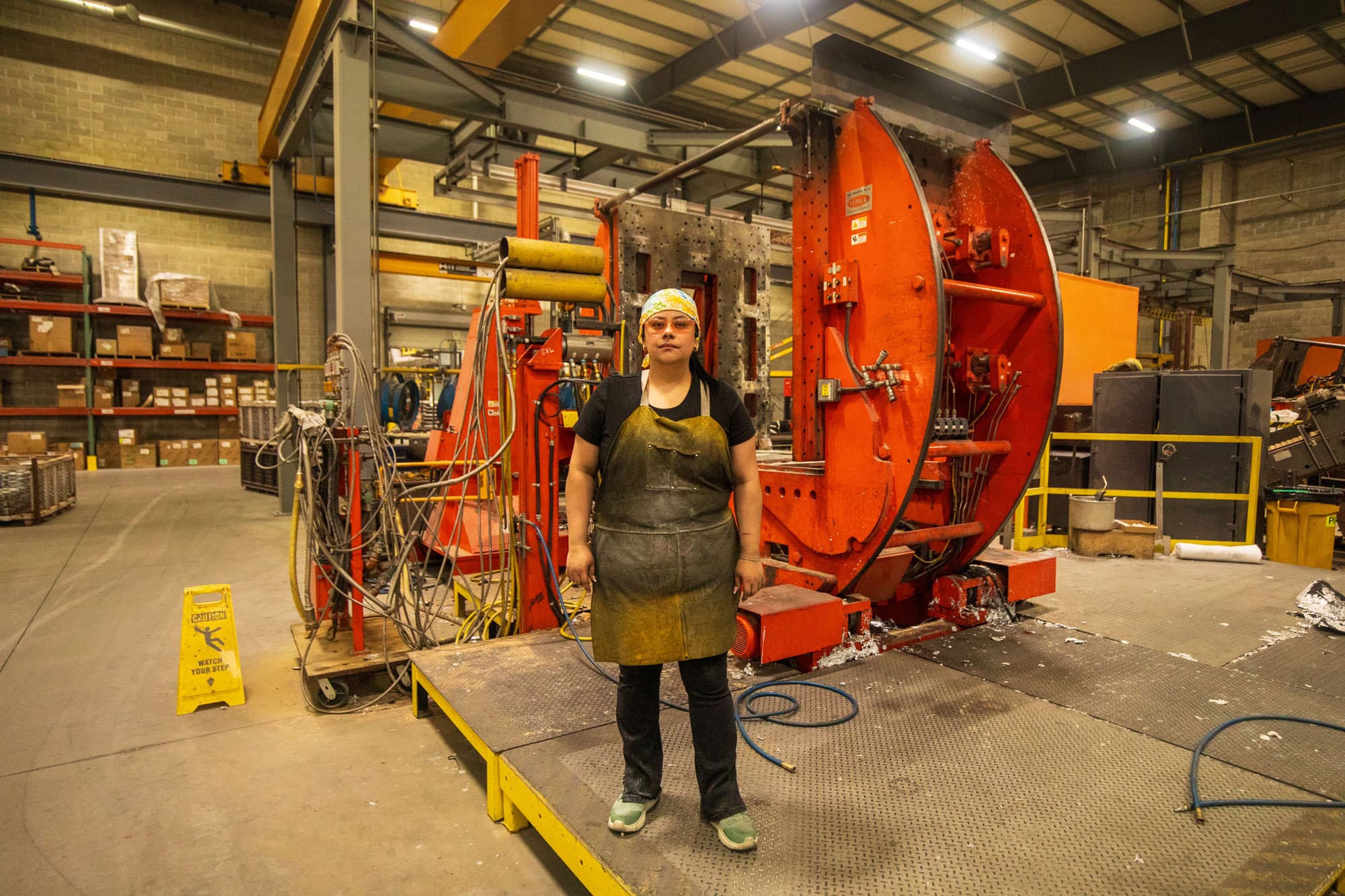
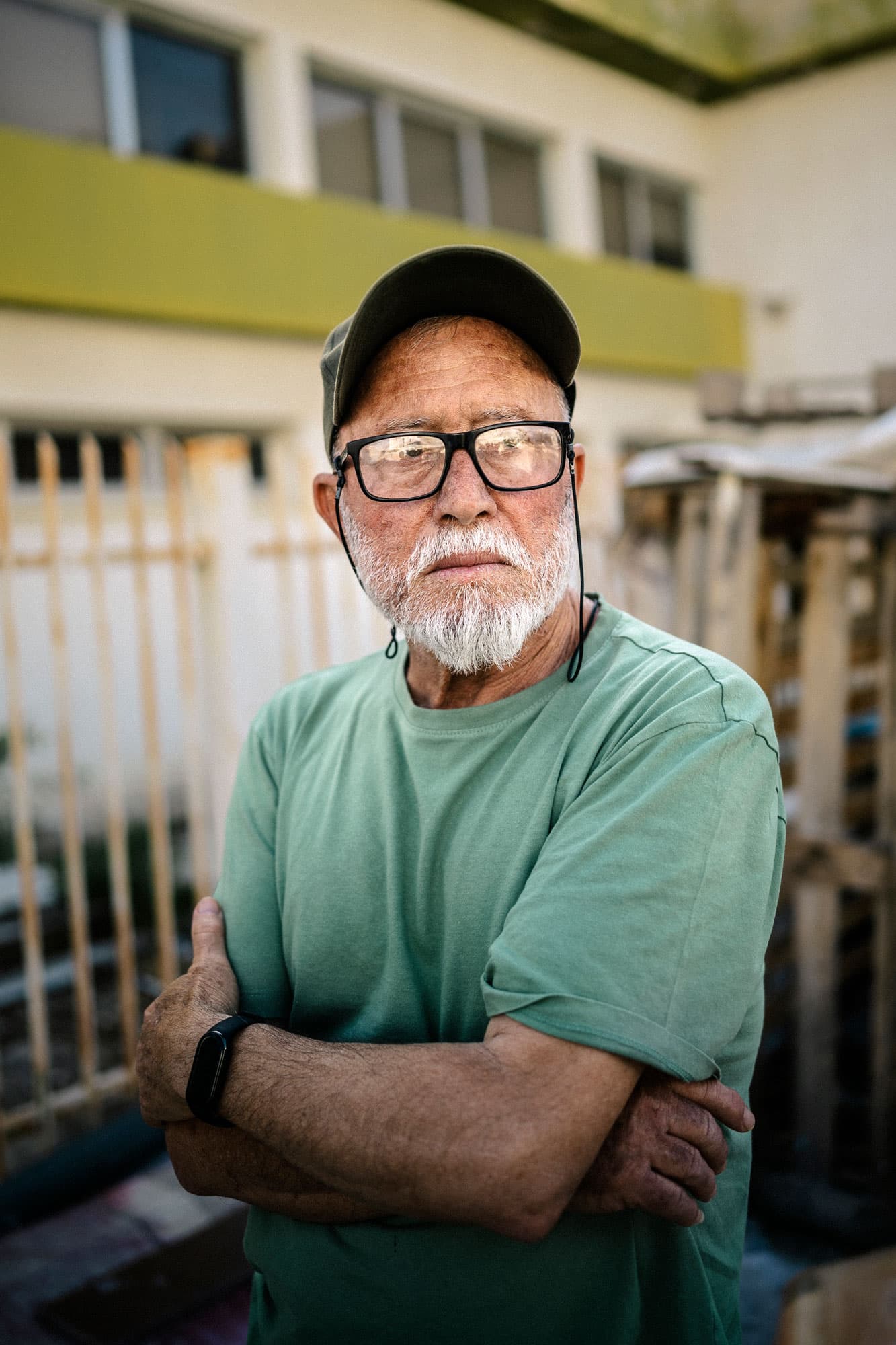
When the workers at the factory in Latsia, Cyprus opened the windows, the manager got angry — the methylene chloride might escape and disturb the neighbors.
At the same time, the workers were forced to labor in the toxic fumes without gloves or face masks.
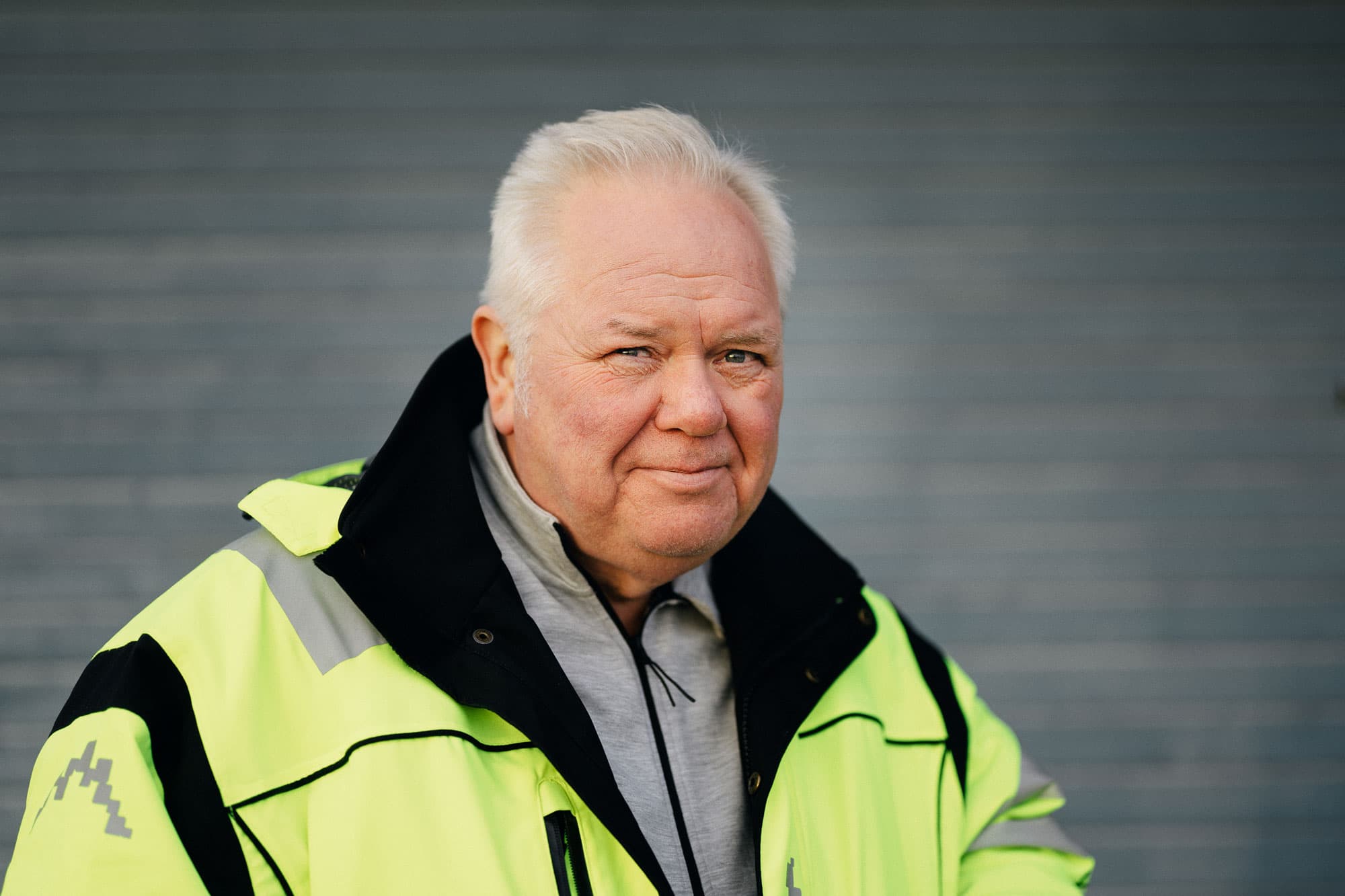
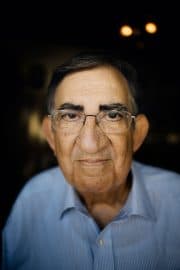
”Everyone developed health issues,” says Michail Kiriakos, who himself got cancer after 15 years at the Astrasol factory.
Click here to read DA:s original article about Senior in Eskilstuna.
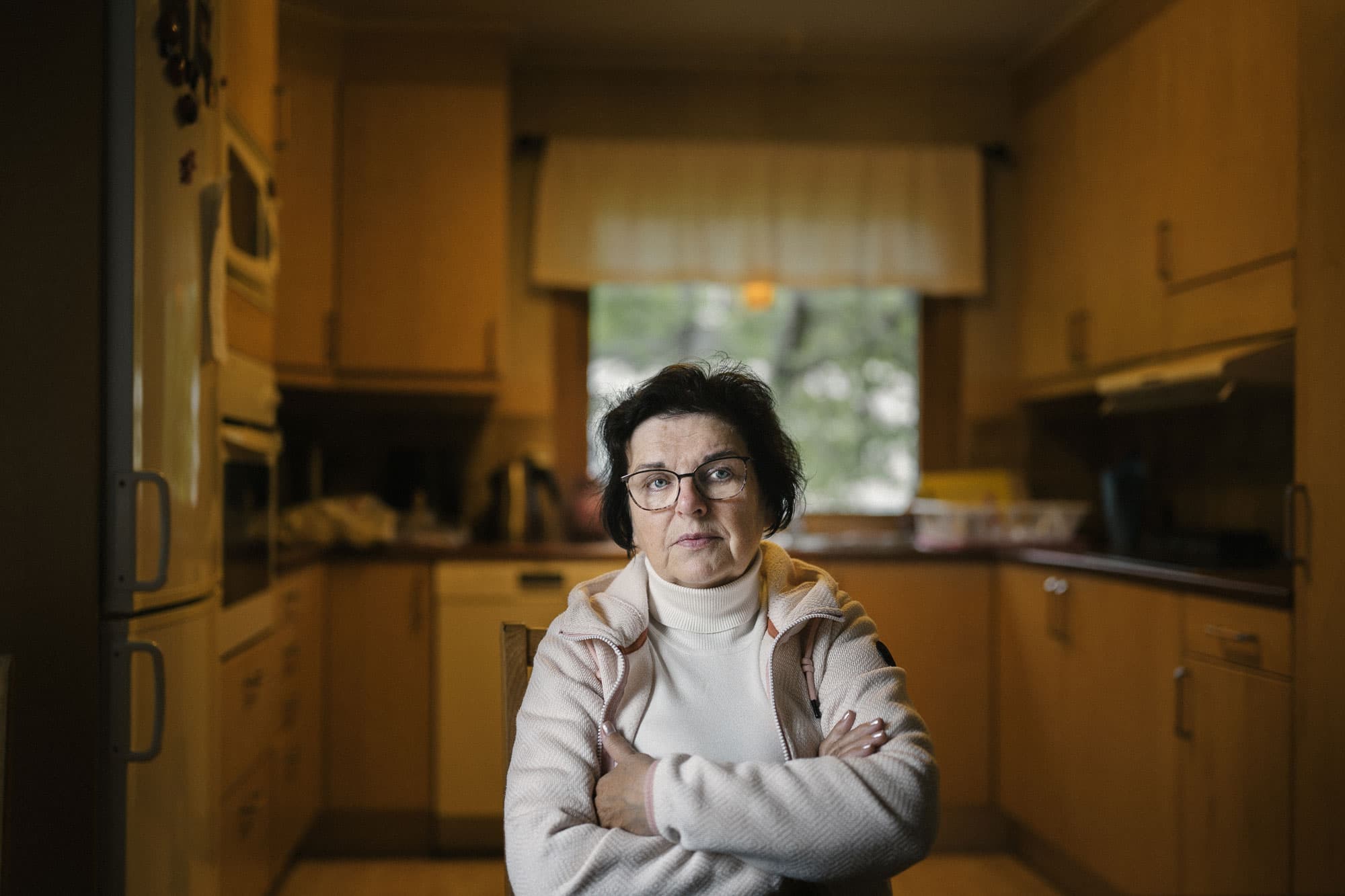
”I didn’t know it was a dangerous substance. When I found out it caused cancer, I asked my bosses and they told me it wasn’t harmful. I feel deceived,” says Michail Kiriakos, who spent 15 years making shoe soles at the Astrasol factory in Latsia, Cyprus.
The factory, which operated from 1976 to 2009, employed around 100 people who were daily exposed to the hazardous solvent methylene chloride. A chemical that is now back in the Swedish spotlight, as Chinese company Senior Material has received an unprecedented exemption to use the otherwise banned substance in its Eskilstuna plant.
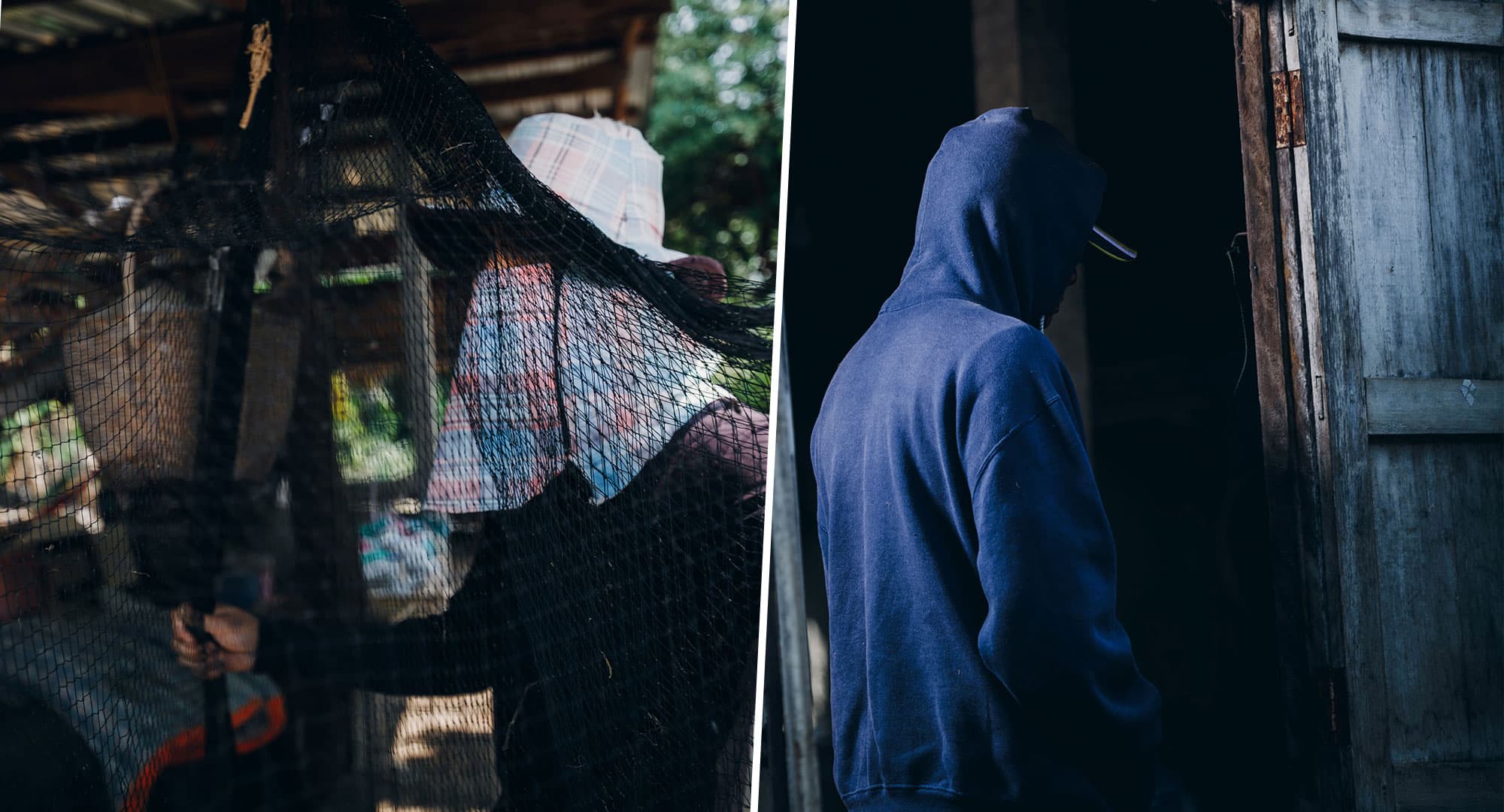
Michail explains that he sprayed methylene chloride inside the metal molds used to cast the shoe lasts — the forms used to shape shoes and soles. The solvent helped the finished lasts release from the mold so it could be reused.
”My hands were completely ruined from the work. We didn’t have gloves or face masks. We weren’t even given work clothes,” he says. ”Many of us developed skin problems. And the eyes! The eyes! So many had vision issues.”
Michail Kiriakos also developed other symptoms typical of methylene chloride exposure.
”I had trouble breathing, and I felt dizzy every time I came home.”
He says the managers actively tried to hide from the outside world that they were working with a toxic chemical.
”Sometimes we’d open the windows, and the manager would shout at us not to — the fumes would get outside. The neighbors might realize what we were doing.”
When customers from Italy visited, the methylene chloride was hidden away. The machines were also shut down during these visits.
Methylene chloride destroyed the health of local residents
Neighbors also noticed the secrecy around the handling of methylene chloride. Elena Kleovoulou, who blames the factory for the death of her three-year-old daughter, lived in one of the nearby houses. She saw how the methylene chloride was snuck into the factory.
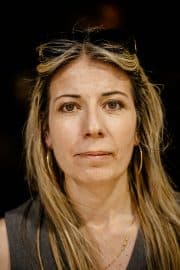
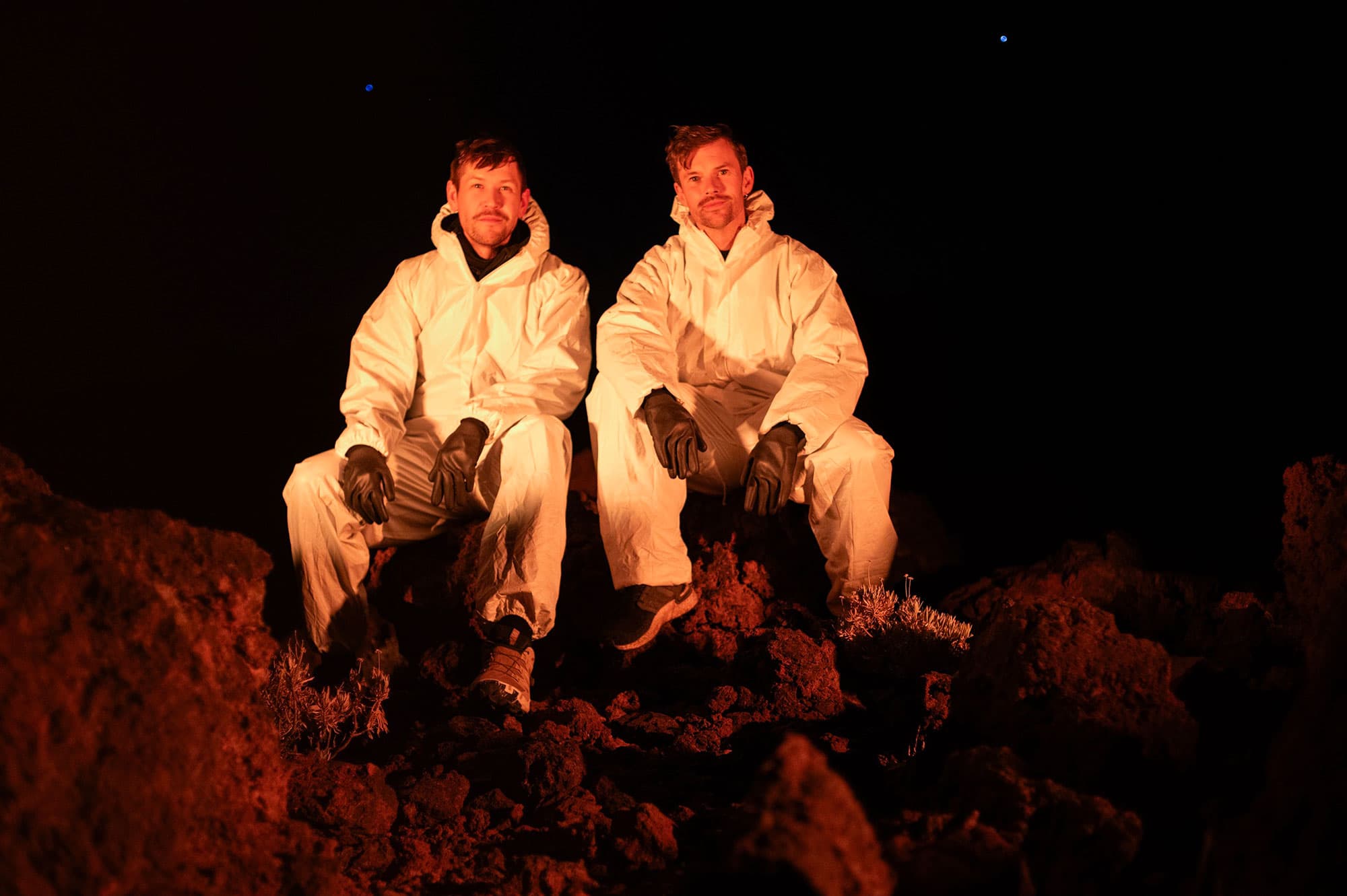
”We could hear them coming at night, and when we opened the window, we saw them moving barrels,” she says. ”They wore white protective suits and tried to work as quietly as possible. They unloaded ten to fifteen barrels at a time.”
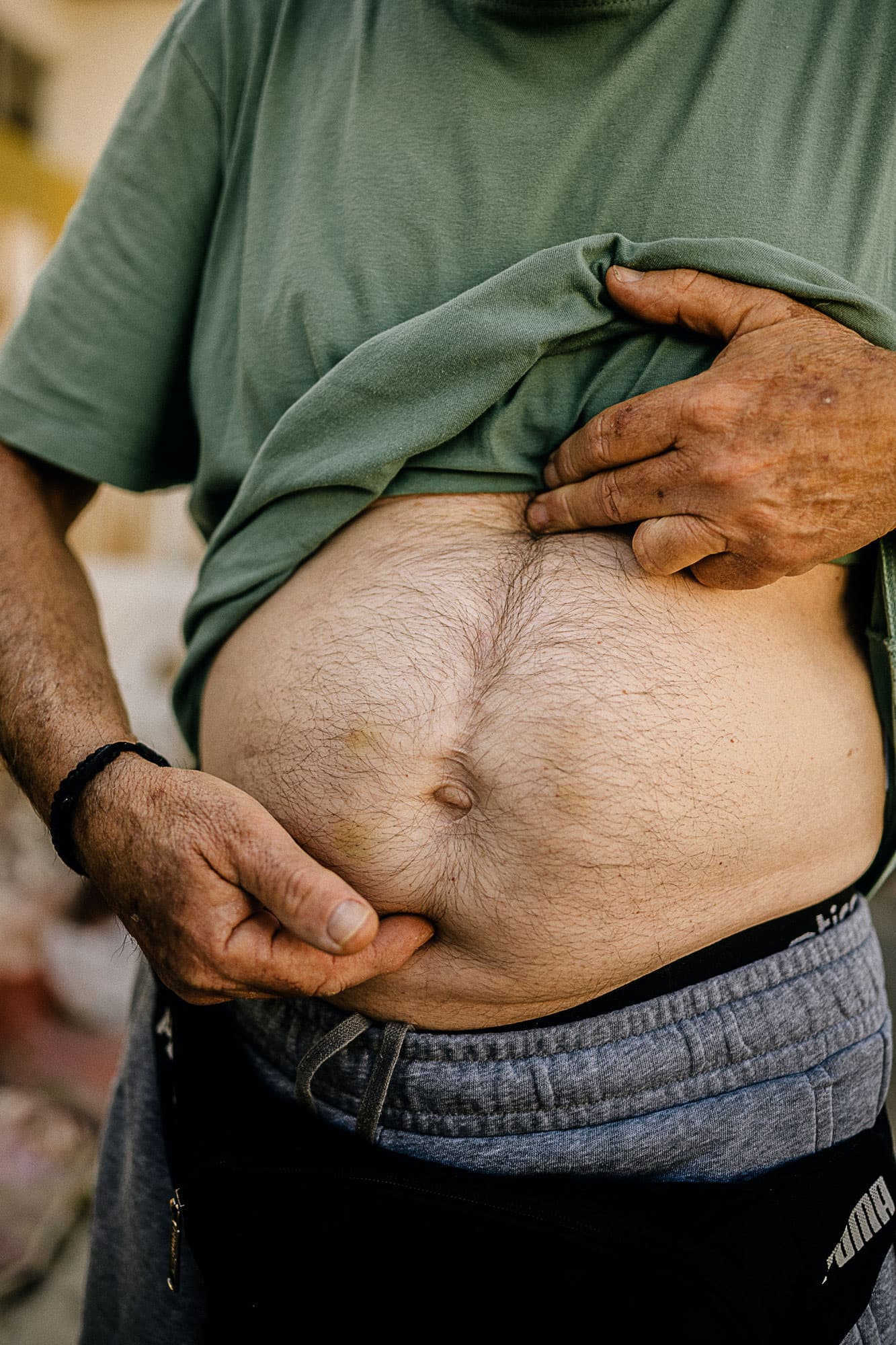
Methylene chloride caused daily health issues for Michail Kiriakos and his coworkers. But it wasn’t until after the factory closed that the long-term and deadly effects began to appear. Michail lifts his shirt to reveal a scar stretching several decimeters from his navel upward.
”They had to remove cancerous lymph nodes from my abdomen. And they took a piece of my liver. It was a complicated treatment and a difficult time,” he says.
”Everyone who worked there developed health problems, and many have died. Many of the women got thyroid cancer. Maybe fifteen of us have died.”
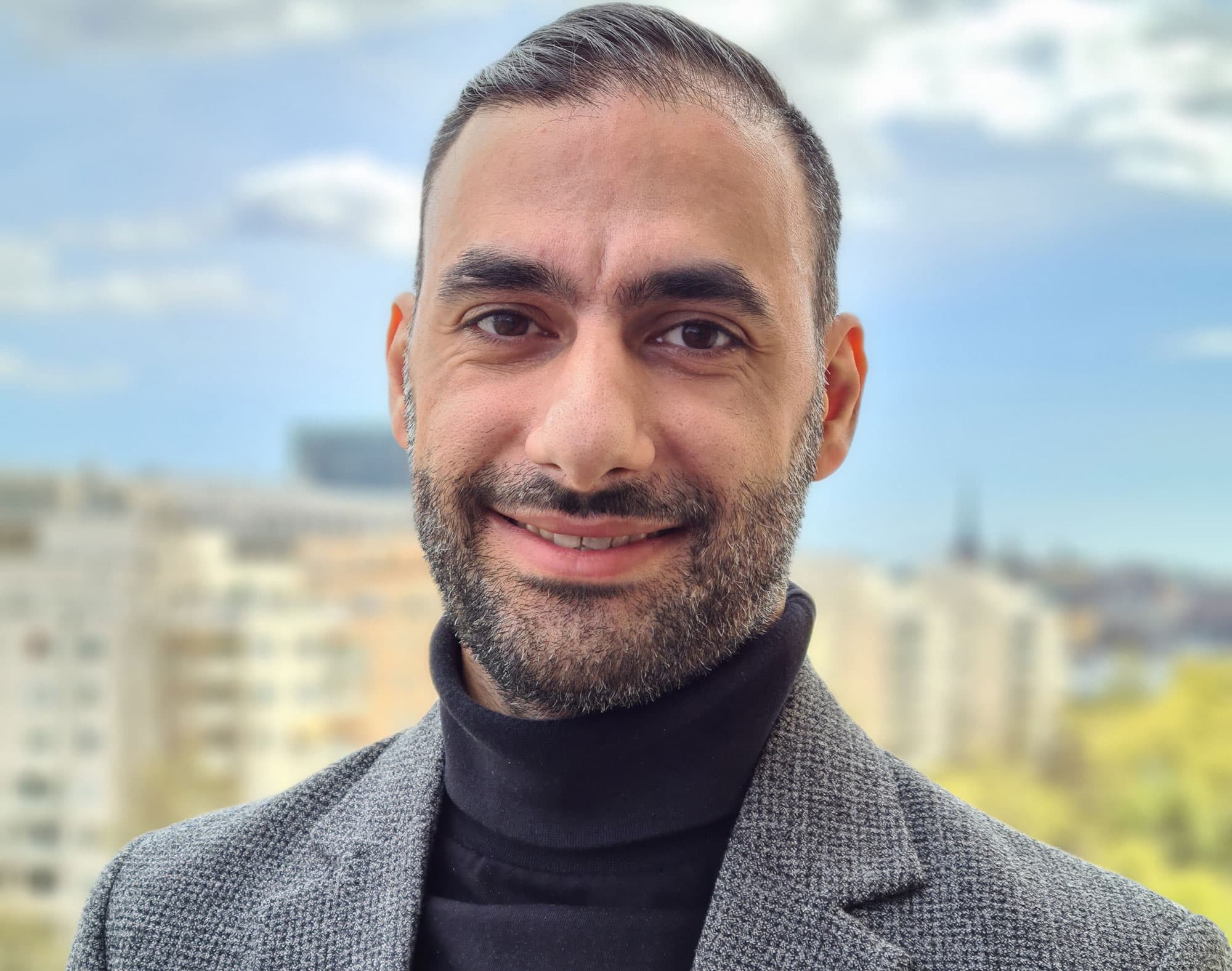
Standing beside him is researcher Michael Voniatis, translating. He and Konstantinos Makris, a professor of environmental health, conducted a scientific study showing that residents around the factory suffered from brain cancer at much higher rates than elsewhere in Cyprus. The worker deaths began occurring later, he says. Many of the workers declined to participate in the study.
”It was voluntary. Some were afraid of being harassed by the employer, and some were related to the factory owners.”
Michail Kiriakos is one of the few workers who has taken part in legal action against the company — which no longer exists — and the Cypriot state, which allowed operations to continue despite the known risks of methylene chloride. The case has now reached the European Court of Human Rights. Like many others, Michail hopes for a ruling that will bring meaningful compensation to the victims.
And although it hasn’t been definitively proven, Michail is convinced that methylene chloride is behind many of the health issues he still suffers from today — 16 years after the factory was closed.
”There was so much vapor. The fumes were everywhere.”
To those living near the Senior Material factory in Eskilstuna, he offers a word of warning:
”It’s poison. That factory is a no-go. That’s the only solution.”